
- 0
- 499 words
In the United States, the legal and financial responsibility for education is split between the Federal Government and State Governments, a division rooted in the 10th Amendment of the Constitution.
While states manage the daily reality of schools, the federal government acts as a “safety net” and a protector of civil rights.
1. The Federal Government: The Overseer
The federal government does not operate schools or set national curricula. Instead, it uses funding as leverage to influence policy. In 2026, federal oversight remains focused on equity and access.
- Financial Support: The federal government provides roughly 12% to 15% of K-12 funding. Most of this goes to Title I schools (low-income areas) and IDEA (special education for students with disabilities).
- Civil Rights Enforcement: Through the Department of Education’s Office for Civil Rights, the federal government ensures that no student is discriminated against based on race, gender, or disability.
- Higher Education: The federal government is the primary source of Student Loans and Pell Grants. In 2026, new regulations have shifted toward expanding Pell Grants for “short-term job training” and limiting debt for programs with poor earnings outcomes.
- National Assessment: It administers the NAEP (National Assessment of Educational Progress), often called “The Nation’s Report Card,” to compare student performance across all 50 states.
2. State Governments: The Managers
Under the 10th Amendment, education is primarily a state responsibility. States hold the “plenary authority” over everything that happens in the classroom.
- Curriculum & Standards: States decide what students must learn (e.g., Common Core or state-specific standards) and which textbooks are approved for use.
- Teacher Certification: States set the requirements for who can become a teacher, including testing and background checks.
- Graduation Requirements: Every state determines how many credits in math, science, and English a student needs to receive a high school diploma.
- Funding Allocation: States provide about 45% to 50% of total school funding, often using a “Foundation Formula” to try and balance the wealth gap between rich and poor districts.
3. Local Governments: The Implementers
State power is often delegated to Local School Boards, which are the most direct level of governance.
- Hiring & Budgets: Local boards hire the Superintendent and teachers, and they decide how the specific local budget is spent.
- Daily Operations: They determine school bus routes, calendar dates (like spring break), and local school policies on things like cell phone use or dress codes.
Comparison of Power (2026 Snapshot)
| Feature | Federal Role | State Role |
| Funding Source | Income taxes (Targeted grants) | Sales/Income taxes & Property taxes |
| Authority | Conditional (based on funding) | Primary/Constitutional |
| Curriculum | None (cannot mandate) | High (sets standards & frameworks) |
| Civil Rights | High (Title IX, ADA, Title VI) | Compliance-focused |
| Teacher Pay | None | Sets minimum salary scales |
Recent 2026 Shifts
As of April 2026, a major point of tension is Institutional Neutrality. Following several federal court rulings and new Department of Education guidelines earlier this year, there has been a push for universities and schools to abstain from speaking on political issues to protect “the marketplace of ideas.” Additionally, the Workforce Pell initiative has bridged the federal-state gap by allowing federal funds to pay for state-level vocational and trade certifications for the first time.
Author

kinzisheikh12@gmail.com
Related Posts

Arts, Music, and Sports Education in the USA
- 0
- 561 words
Arts, music, and sports are the “essential extras” of the American education system. In April 2026, these programs have moved beyond mere...
Read out all
STEM Education Growth in US Schools
- 0
- 513 words
In April 2026, STEM education in the United States is no longer treated as a “specialty” track but as a core literacy...
Read out all
Classroom Technology and Digital Learning in American Schools
- 0
- 527 words
Classroom technology in American schools has moved beyond simple device distribution to a phase of Deep Integration and AI-Driven Personalization. As of...
Read out all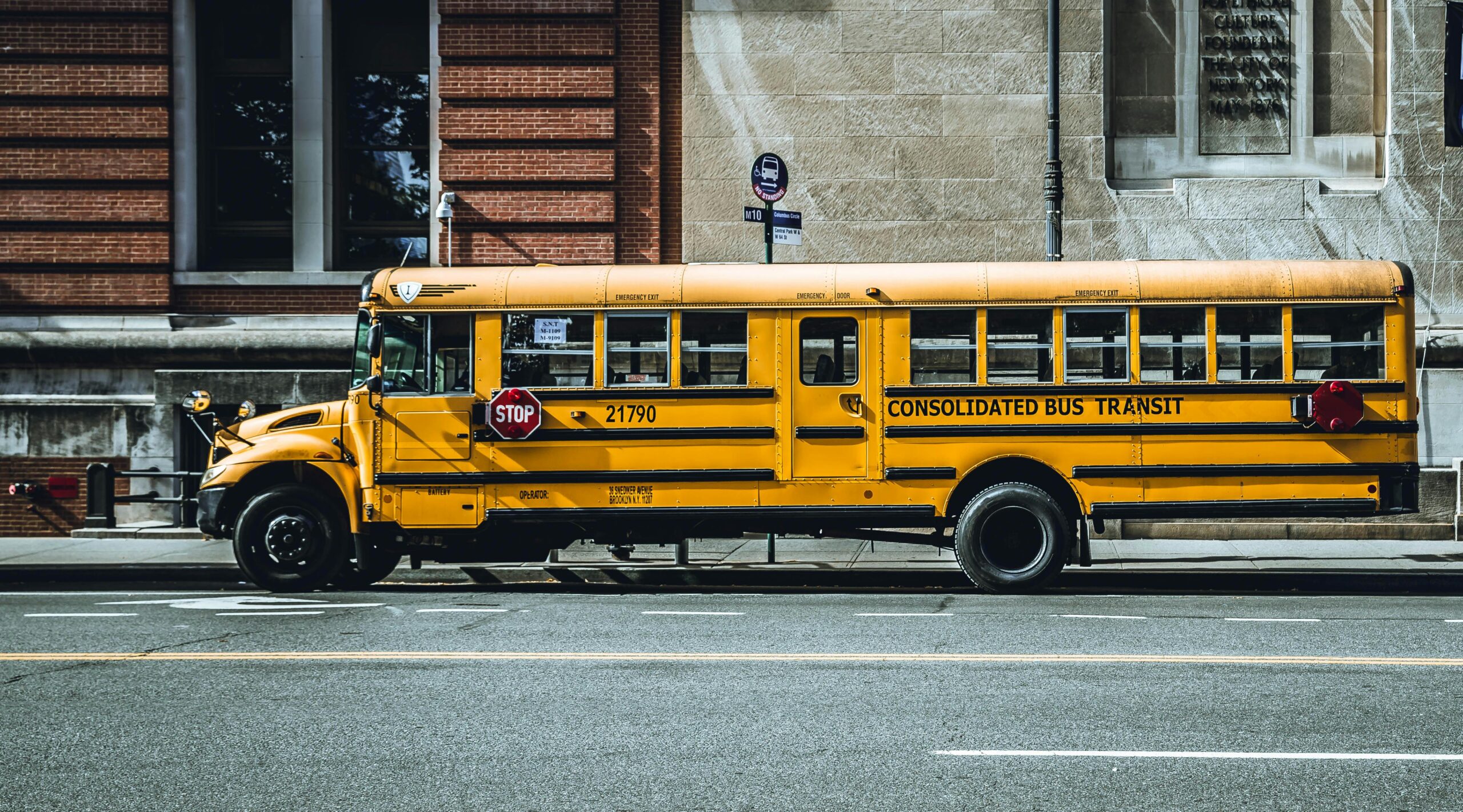
School Safety Policies and Student Well-Being in the USA
- 0
- 589 words
School safety and student well-being in 2026 have moved toward a “unified” approach that blends physical security technology with proactive mental health...
Read out all
Education for Immigrants and International Students in the USA
- 0
- 596 words
Education for immigrants and international students in the United States is governed by a complex blend of constitutional protections, federal visa regulations,...
Read out all
Homeschooling Trends and Regulations in the United States
- 0
- 601 words
Homeschooling in the United States has evolved from an “alternative” choice into a mainstream educational pillar. As of April 2026, the movement...
Read out all